
Introduction
In the dynamic and ever-evolving construction industry, the selection of appropriate materials is of paramount importance for ensuring the structural integrity, safety, and longevity of buildings, bridges, and other infrastructure projects. Seamless steel pipes have emerged as a vital component, playing a crucial role in providing essential support and stability. This article aims to comprehensively explore the diverse applications and numerous benefits of seamless steel pipes in construction projects, highlighting why they are an indispensable choice for modern builders and engineers.
1. Structural Support
1.1 High Strength and Load-Bearing Capacity
Seamless steel pipes are renowned for their exceptional high strength, which makes them an ideal candidate for structural support in construction. Their ability to carry heavy loads is unparalleled, especially when compared to other materials. In large-scale buildings, such as skyscrapers or industrial facilities, where the weight of the structure itself, along with the additional loads from equipment, furniture, and occupants, can be substantial, seamless steel pipes serve as reliable columns, beams, or trusses. These pipes can withstand the immense vertical and horizontal forces exerted on them, ensuring that the building remains stable and secure.
1.2 Resistance to External Forces
In addition to carrying heavy loads, seamless steel pipes also exhibit remarkable resistance to external forces. Wind, for instance, can exert significant lateral forces on tall buildings, especially in areas prone to strong winds or hurricanes. Seamless steel pipes, with their robust structure, can effectively resist these forces, preventing the building from swaying excessively or collapsing. Similarly, in earthquake-prone regions, the pipes' ability to absorb and distribute seismic energy helps to minimize damage to the structure, protecting the lives of occupants.
1.3 Versatility in Structural Applications
The versatility of seamless steel pipes in structural applications is another key advantage. They can be easily cut, bent, and welded to fit into complex architectural designs. Whether it's a curved roof, a unique facade, or an intricate internal framework, seamless steel pipes can be customized to meet the specific requirements of the project. This flexibility allows architects and engineers to push the boundaries of design, creating innovative and visually stunning structures.
2. Piling and Foundation Work
2.1 Load Transfer and Stable Foundation
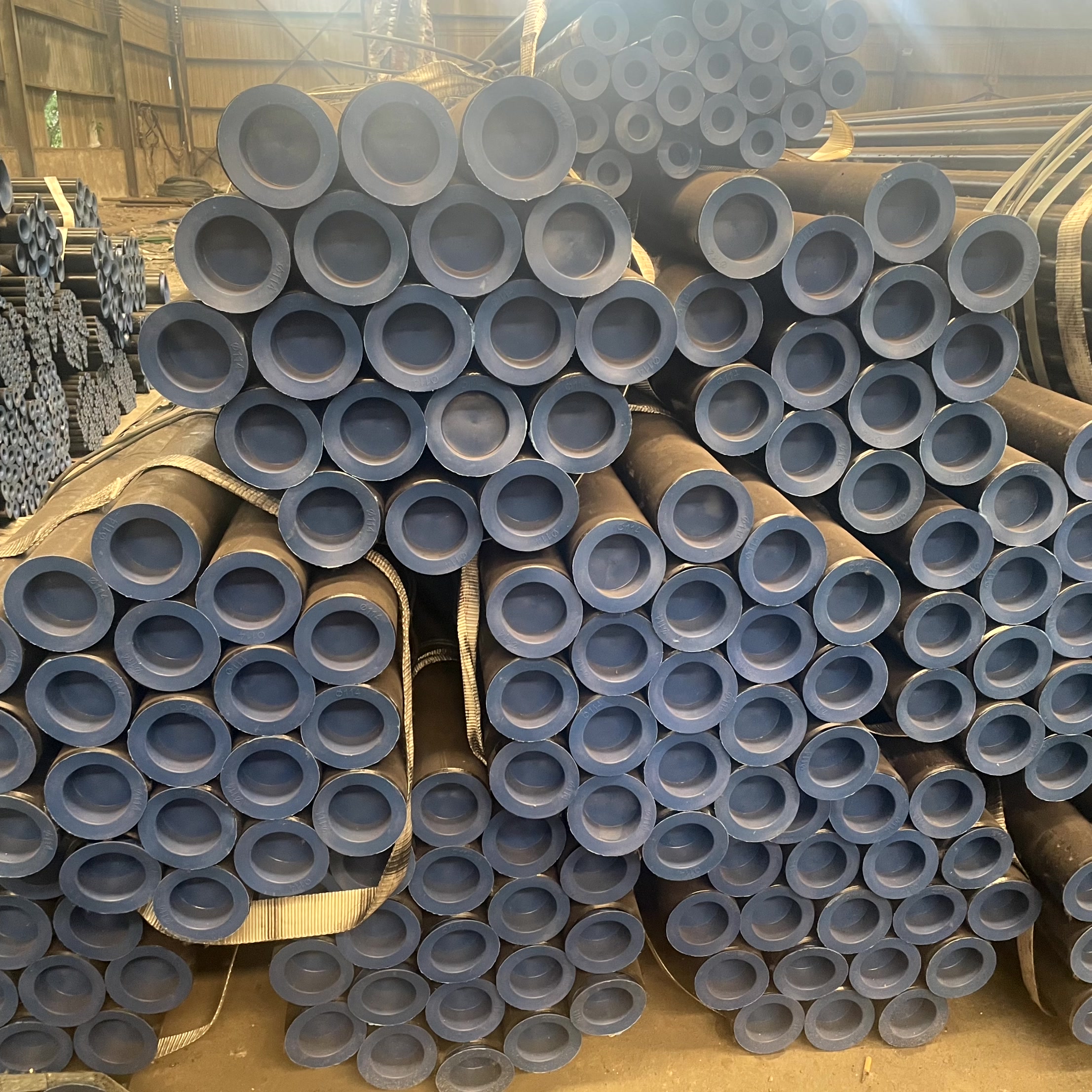
In foundation work, seamless steel pipes play a critical role in transferring the load of the structure to the underlying soil or rock. The pipes are driven deep into the ground, creating a stable foundation that can support the weight of the building or bridge above. This is particularly important in areas with soft or unstable soil conditions, where traditional foundation methods may not be sufficient. Seamless steel pipes provide a reliable solution, ensuring that the structure remains firmly anchored to the ground.
2.2 High Strength During Driving
The process of driving piles into the ground can exert significant forces on the pipes. Seamless steel pipes are preferred for piling work due to their high strength and ability to withstand these forces without deforming or breaking. This ensures that the piles are driven to the desired depth, providing the necessary support for the structure. Additionally, the smooth surface of seamless pipes reduces friction during driving, making the process more efficient and cost-effective.
2.3 Long-Term Stability
Once installed, seamless steel pipes offer long-term stability to the foundation. Their resistance to corrosion and degradation means that they can withstand the test of time, even in harsh environmental conditions. This reduces the need for frequent maintenance or replacement, saving costs and minimizing disruptions to the construction project.
3. Fluid Transportation Systems
3.1 Smooth Inner Surface and Efficient Flow
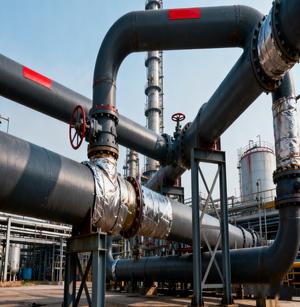
Seamless steel pipes are widely used in fluid transportation systems within buildings, such as plumbing and HVAC (Heating, Ventilation, and Air Conditioning) systems. Their smooth inner surface reduces friction, allowing fluids to flow more efficiently through the pipes. This not only improves the performance of the system but also reduces energy consumption, as less power is required to pump the fluids. In large buildings, where the fluid transportation network can be extensive, the use of seamless steel pipes can result in significant energy savings over time.
3.2 Corrosion Resistance and Safety
Corrosion is a major concern in fluid transportation systems, as it can lead to leaks, and system failure. Seamless steel pipes are highly resistant to corrosion, thanks to their uniform structure and the absence of welds, which are often potential sites for corrosion initiation. This ensures that the fluids being transported remain clean and safe, protecting the health of occupants. Additionally, the pipes' durability reduces the risk of leaks, preventing water damage to the building and its contents.
3.3 Easy Installation and Connection
Seamless steel pipes are easy to install and connect, reducing installation time and costs. They can be cut to the required length and connected using various methods, such as welding, threading, or flanging. This flexibility allows for quick and efficient installation, even in complex piping networks. Moreover, the pipes' lightweight nature makes them easier to handle and transport, further streamlining the construction process.
4. Benefits in Construction
4.1 Increased Safety
The high strength and durability of seamless steel pipes are key factors in ensuring the safety of construction projects. By providing reliable structural support, stable foundations, and efficient fluid transportation systems, seamless pipes help to prevent accidents and failures. This not only protects the lives of occupants but also safeguards the investment made in the project.
4.2 Reduced Maintenance
Compared to welded pipes, seamless steel pipes require less maintenance. Their resistance to corrosion and degradation means that they can operate for longer periods without the need for repairs or replacements. This reduces overall costs and downtime, allowing construction projects to proceed smoothly and on schedule.
4.3 Improved Aesthetics
Seamless steel pipes can be easily customized to fit the design requirements of the building, improving its overall aesthetics. They can be painted or coated in a variety of colors to match the building's exterior or interior design. Additionally, their sleek and modern appearance can enhance the visual appeal of the structure, making it more attractive to potential buyers or tenants.
4.4 Environmental Sustainability
The use of seamless steel pipes in construction also contributes to environmental sustainability. Their durability and long lifespan reduce the need for frequent replacements, which in turn reduces waste and the consumption of resources. Additionally, the energy efficiency of fluid transportation systems using seamless pipes helps to lower carbon emissions, supporting global efforts to combat climate change.
[Back to Seamless Steel Pipes: Construction, Manufacturing, and Applications]