
Introduction
The global energy landscape is heavily reliant on the efficient and reliable transportation of oil and gas. These vital resources are the lifeblood of modern economies, powering industries, homes, and vehicles across the world. To ensure the seamless flow of oil and gas from production sites to end - users, a robust and dependable piping system is indispensable. Among the various options available, seamless steel pipes have emerged as the preferred choice for oil and gas pipeline transportation. Their exceptional high - pressure resistance, corrosion resistance, and durability make them well - suited to the demanding requirements of this industry. This article aims to provide a comprehensive overview of seamless steel pipes in the oil and gas sector, covering their key characteristics, applications, and advantages.
1. High Pressure Resistance
1.1 The Demanding Pressure Environment of Oil and Gas Pipelines
Oil and gas pipelines are subjected to extremely high internal pressures during operation. The pressure within these pipelines can vary depending on factors such as the type of fluid being transported, the distance of transportation, and the elevation changes along the route. For instance, in long - distance transmission lines, the pressure needs to be maintained at a high level to ensure that the oil or gas can flow efficiently over vast distances. Moreover, during the extraction process, oil and gas are often under high pressure at the wellhead, and this pressure needs to be contained and controlled as the fluids are transported through the gathering lines.
1.2 Design Features of Seamless Steel Pipes for High - Pressure Applications
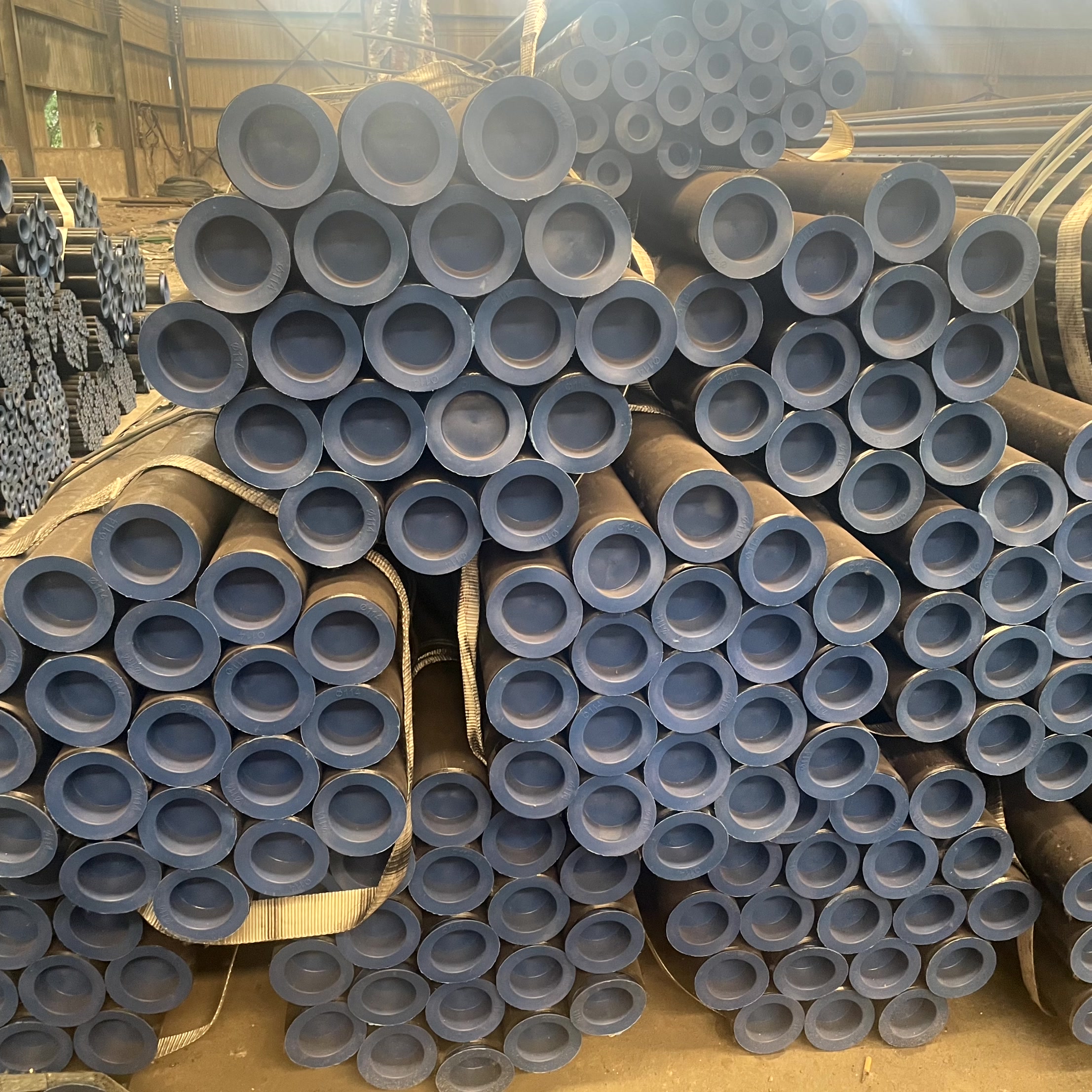
Seamless steel pipes are specifically designed to handle these high - pressure conditions. Their seamless construction is a crucial factor in their ability to withstand pressure. Unlike welded pipes, which have a joint or weld seam that can be a potential weak point, seamless pipes are formed from a single piece of steel. This eliminates any vulnerabilities that could lead to leakage or bursting under pressure. The uniform structure of seamless pipes ensures that the pressure is evenly distributed throughout the pipe wall, reducing the risk of localized stress concentrations that could cause failure.
1.3 Safety Implications of High - Pressure Resistance
The high - pressure resistance of seamless steel pipes is of paramount importance for safety in the oil and gas industry. A pipeline failure due to pressure - related issues can have catastrophic consequences, including environmental damage, property loss, and even loss of life. By using seamless steel pipes, operators can significantly reduce the risk of such incidents, ensuring the safe transportation of hydrocarbons. Additionally, the ability to withstand high pressures allows for more efficient pipeline design, as the pipes can be operated at higher pressures, reducing the number of pumping stations required and improving overall system efficiency.
2. Corrosion Resistance
2.1 Corrosive Substances in Oil and Gas Transportation
The transportation of oil and gas often involves exposure to a variety of corrosive substances. Hydrogen sulfide (H₂S) and carbon dioxide (CO₂) are two common corrosive agents found in oil and gas streams. H₂S is a highly toxic gas that can cause severe corrosion in pipelines, especially in the presence of water. CO₂, on the other hand, can form carbonic acid when dissolved in water, which also attacks the pipe material. In addition to these gases, the presence of salts, chlorides, and other impurities in the oil and gas can further accelerate the corrosion process.
2.2 Corrosion - Resistant Materials and Coatings for Seamless Steel Pipes
To combat corrosion, seamless steel pipes are made from corrosion - resistant materials or coated with protective layers. Stainless steel is a popular choice for applications where high corrosion resistance is required. It contains chromium, which forms a thin, passive oxide layer on the surface of the steel, preventing further corrosion. Another option is to use carbon steel pipes with special coatings, such as epoxy coatings, polyethylene coatings, or fusion - bonded epoxy (FBE) coatings. These coatings act as a barrier between the pipe material and the corrosive environment, extending the pipe's lifespan.
2.3 Long - Term Benefits of Corrosion Resistance
The corrosion resistance of seamless steel pipes offers significant long - term benefits for the oil and gas industry. By preventing corrosion, these pipes ensure the safe and efficient transportation of hydrocarbons over long distances. Corrosion can lead to pipe leaks, which not only result in the loss of valuable resources but also pose environmental hazards. Moreover, corrosion can weaken the pipe structure, reducing its load - bearing capacity and increasing the risk of failure. By using corrosion - resistant seamless steel pipes, operators can minimize maintenance and replacement costs, improve pipeline reliability, and extend the service life of the pipeline system.
3. Durability and Longevity
3.1 Robust Construction of Seamless Steel Pipes
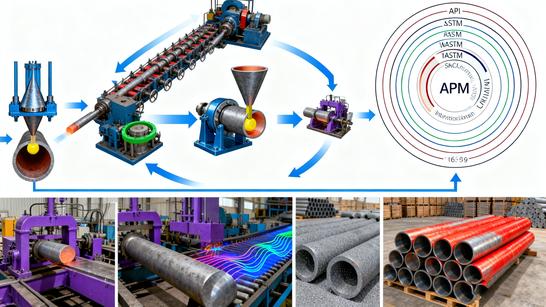
Seamless steel pipes are known for their robust construction, which contributes to their durability and longevity. The manufacturing process of seamless pipes involves heating a solid steel billet and then piercing it to form a hollow tube. This process results in a pipe with a uniform wall thickness and a smooth inner and outer surface. The absence of welds eliminates the potential for weld - related defects, such as cracks, porosity, and lack of fusion, which can weaken the pipe over time.
3.2 Resistance to Fatigue and Wear
In addition to their robust construction, seamless steel pipes are highly resistant to fatigue and wear. Oil and gas pipelines are subjected to cyclic loading due to changes in pressure, temperature, and fluid flow. Over time, these cyclic loads can cause fatigue cracking in the pipe material. Seamless pipes, with their uniform structure and lack of stress concentrations at welds, are better able to withstand these cyclic loads, reducing the risk of fatigue failure. Moreover, the smooth inner surface of seamless pipes minimizes friction and wear, ensuring a long - lasting and efficient pipeline system.
3.3 Cost - Effectiveness of Durability and Longevity
The durability and longevity of seamless steel pipes translate into significant cost savings for the oil and gas industry. Compared to welded pipes, seamless pipes require less maintenance and replacement over their service life. This reduces downtime, which is crucial for maintaining the continuous flow of oil and gas. Additionally, the longer service life of seamless pipes means that operators do not need to invest in frequent pipe replacements, resulting in lower capital expenditures. Overall, the cost - effectiveness of seamless steel pipes makes them an attractive choice for oil and gas pipeline transportation.
4. Applications in Oil & Gas Industry
4.1 Gathering Lines
Gathering lines are an essential part of the oil and gas production process. They are used to transport oil and gas from the wellhead to processing facilities. Seamless steel pipes are well - suited for gathering lines due to their ability to handle the high - pressure and corrosive conditions often encountered at the wellhead. The small - diameter seamless pipes can efficiently collect the oil and gas from multiple wells and transport them to the central processing facility, ensuring a smooth start to the production chain.
4.2 Transmission Lines
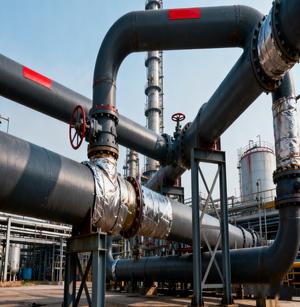
Transmission lines are responsible for carrying oil and gas over long distances between processing facilities and distribution centers. These lines operate under high pressures and are exposed to a variety of environmental conditions. Seamless steel pipes, with their high - pressure resistance, corrosion resistance, and durability, are the ideal choice for transmission lines. They can withstand the long - distance transportation of hydrocarbons, ensuring that the resources reach their destination safely and efficiently.
4.3 Distribution Lines
Distribution lines deliver oil and gas to end - users, such as refineries and power plants. These lines may have varying pressure requirements depending on the end - user's needs. Seamless steel pipes can be customized to meet these different pressure and flow requirements, providing a reliable and efficient means of distributing oil and gas. Their durability ensures that the distribution network remains operational for extended periods, minimizing disruptions to the energy supply.
[Back to Seamless Steel Pipes: Construction, Manufacturing, and Applications]