
In the realm of hydrogen transportation and storage, the choice of piping is of paramount importance. Hydrogen, with its unique properties, presents a significant threat to traditional piping systems, making the selection of appropriate materials and specifications a critical factor in ensuring safety and reliability. Among the various options available, Schedule 80 pipes have emerged as a superior choice over standard piping, and this article will delve into the reasons behind this preference, along with exploring industry trends and highlighting a specific product.
Hydrogen's tiny atomic structure, with a diameter of just 0.1 nanometers, is both a blessing and a curse. On one hand, its small size allows for efficient storage and transportation in certain contexts. However, on the other hand, it poses a serious problem for steel pipes. These minuscule hydrogen atoms have the ability to seep through the steel matrix over time. As they penetrate the steel, they initiate a process known as embrittlement. Embrittlement weakens the steel, making it more prone to sudden and catastrophic failures. This is a significant safety concern in hydrogen pipelines, as a rupture can lead to the release of large quantities of hydrogen, which is highly flammable and can cause explosions and fires.
Schedule 80 pipes offer a robust solution to the hydrogen embrittlement problem. One of the key features that set Schedule 80 pipes apart from standard piping, such as Schedule 40, is their double the thickness. For instance, consider a 2 - inch pipe. A Schedule 80 version of this pipe has a wall thickness of 6.35 millimeters, while a Schedule 40 pipe of the same nominal size has a wall thickness of only 3.91 millimeters. This increased thickness provides several advantages. Firstly, it acts as a physical barrier, making it more difficult for hydrogen atoms to penetrate through the pipe wall. The thicker the wall, the longer it takes for hydrogen to diffuse through, reducing the risk of embrittlement over time. Secondly, the greater wall thickness enhances the overall strength and durability of the pipe. It can withstand higher internal pressures and external mechanical loads, which is crucial in hydrogen pipelines that may operate under varying conditions.
Another important characteristic of Schedule 80 pipes used in hydrogen applications is their lower carbon content. Grades like TP304L and TP316L are commonly used. Carbon is a key element in steel, but in the presence of hydrogen, it can lead to carbide precipitation. Carbide precipitation is a major trigger for hydrogen embrittlement. When carbides form within the steel matrix, they create local areas of high hardness and brittleness. These areas are more susceptible to crack initiation and propagation when exposed to hydrogen. By using low - carbon grades like TP304L and TP316L, the formation of carbides is significantly reduced, thereby minimizing the risk of hydrogen - induced embrittlement.
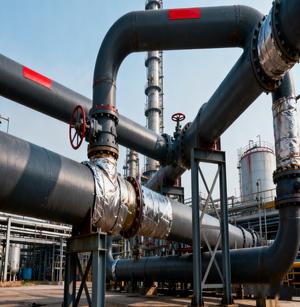
The industry has also witnessed a growing trend towards hybrid piping systems. Companies such as Linde have recognized the need to balance cost and performance in hydrogen pipelines. Schedule 80 stainless steel pipes, while offering excellent resistance to hydrogen embrittlement, can be relatively expensive. To address this, Linde and other companies combine Schedule 80 stainless steel with polymer - lined carbon steel. The stainless steel part of the system provides the necessary resistance to hydrogen penetration and embrittlement, while the polymer - lined carbon steel offers a cost - effective solution for sections of the pipeline where the hydrogen threat is relatively lower. This hybrid approach allows companies to optimize their piping systems, ensuring safety without incurring excessive costs.
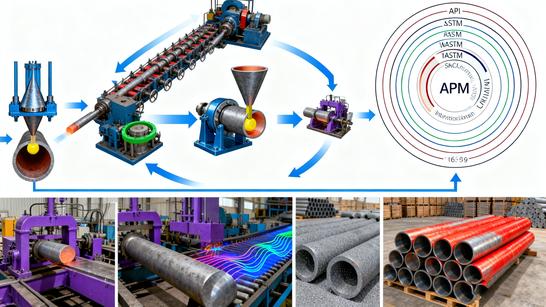
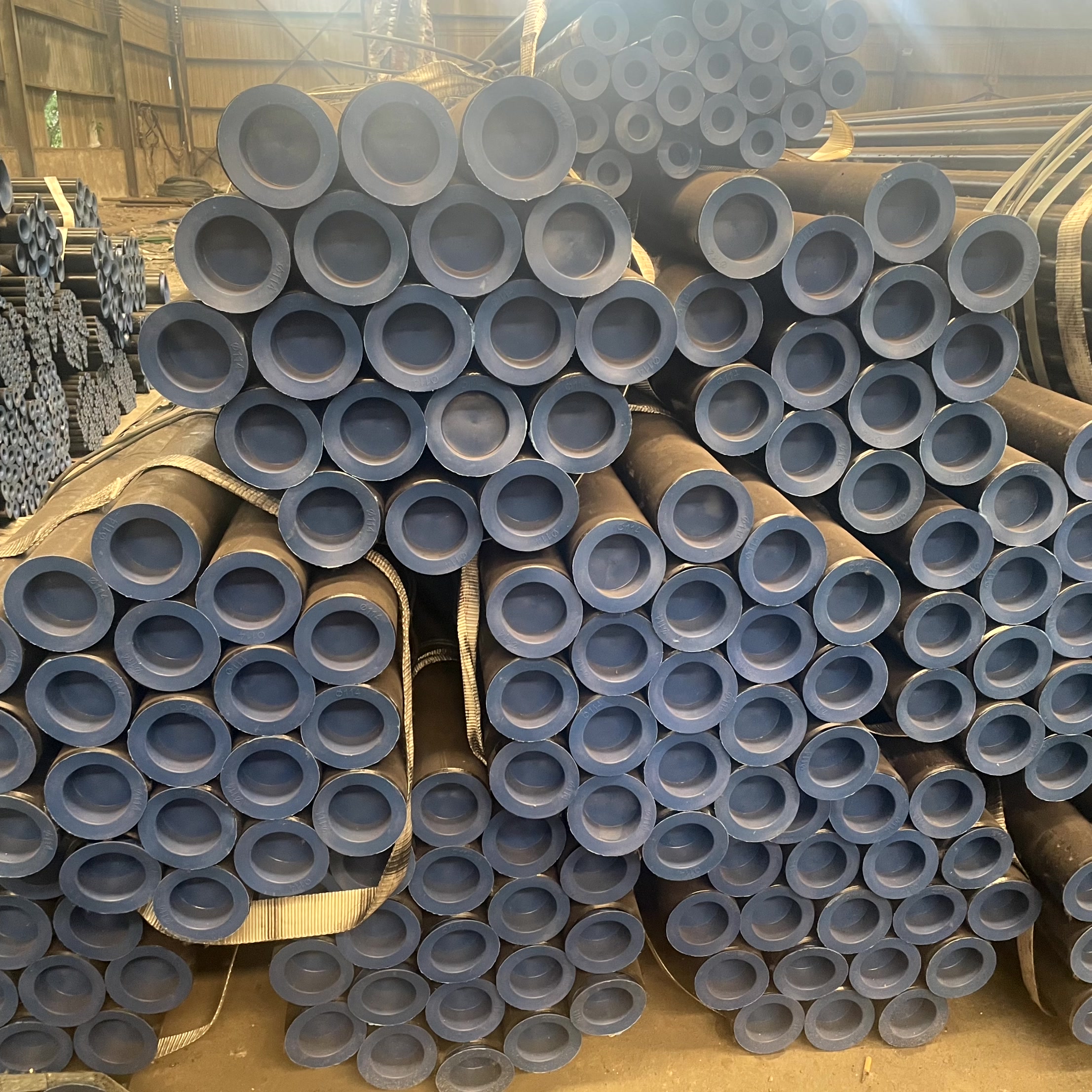
In the market, there are various products available for hydrogen pipelines. One notable product is our API 5L X52 Schedule 80 pipes. These pipes are specifically rated for hydrogen service, which means they have undergone rigorous testing and meet the stringent requirements for transporting hydrogen. Additionally, they come with 3.1 certification per EN 10204. This certification provides assurance regarding the quality and traceability of the pipes. The 3.1 certification indicates that the manufacturer has carried out specific tests on the pipes, such as chemical composition analysis, mechanical property testing, and non - destructive testing, and has provided detailed test reports. This level of certification is crucial in the hydrogen industry, where safety is of the utmost importance.
In conclusion, when it comes to hydrogen pipelines, Schedule 80 pipes are the clear winner over standard piping. Their double thickness provides a strong physical barrier against hydrogen penetration, and the use of low - carbon grades minimizes the risk of carbide precipitation and hydrogen embrittlement. The industry's move towards hybrid piping systems shows a practical approach to balancing cost and performance. And products like our API 5L X52 Schedule 80 pipes with 3.1 certification offer a reliable and safe solution for hydrogen transportation and storage. As the demand for hydrogen as a clean energy source continues to grow, the importance of selecting the right piping will only become more pronounced, and Schedule 80 pipes are well - positioned to meet the challenges ahead.
[Back to Extreme Conditions, Extreme Solutions: The Cutting-Edge Challenges in Specialized Stainless Steel Piping]