
In the world of piping systems, the choice between galvanized and stainless steel pipes, especially when considering 1 1/4 - inch pipes, is a crucial decision that depends on various factors. This choice is not just about the initial cost but also involves considerations of corrosion resistance, environmental conditions, and long - term maintenance.
1.The Cost - Corrosion Tradeoff
Galvanized pipes, which are coated with a layer of zinc, are well - known for their affordability. This makes them an attractive option for many projects where budget constraints are a significant factor. The zinc coating serves as a protective barrier, initially preventing the underlying steel from coming into contact with the surrounding environment and thus reducing the risk of corrosion. However, this protection has its limitations.
One of the major drawbacks of galvanized pipes is their performance in acidic environments. Zinc, the protective layer, is highly reactive to acids. When the pH of the surrounding environment drops below 6, the zinc starts to dissolve. As the zinc coating deteriorates, the underlying steel becomes exposed, and corrosion can quickly set in. This can lead to leaks, pipe failures, and the need for frequent repairs or replacements, which can offset the initial cost savings.
High temperatures also pose a problem for galvanized pipes. Zinc has a relatively low melting point of 420°C. In applications where the pipes are exposed to high - temperature fluids or are located in areas with high ambient temperatures, the zinc coating can start to melt or degrade. This not only compromises the corrosion resistance of the pipe but can also lead to structural weaknesses and potential safety hazards.
On the other hand, stainless steel pipes, such as the 1 1/4 - inch ASTM A53 Gr.B, offer superior corrosion resistance in a wide range of environments. In chemical plants, where various acids like sulfuric acid and chlorides are commonly present, stainless steel pipes can withstand the corrosive attack. The chromium in stainless steel forms a thin, invisible oxide layer on the surface of the pipe, known as the passive layer. This layer acts as a barrier, preventing further corrosion and protecting the underlying metal.
For outdoor structures, stainless steel pipes are also an excellent choice. They can withstand the damaging effects of UV radiation from the sun, which can cause degradation in some materials over time. Additionally, in coastal areas where salt spray is prevalent, stainless steel pipes resist the corrosive action of salt, ensuring long - term durability and reliability.
2.Case Study: A Municipal Water Project
A real - world example that highlights the advantages of choosing stainless steel over galvanized pipes is a municipal water project in Florida. The city in question was facing significant issues with its fire sprinkler system, which was originally installed using galvanized pipes. Over time, the pipes started to corrode due to the high humidity and salt - laden air in the coastal environment. This led to frequent leaks and pipe failures, resulting in high maintenance costs and potential safety risks.
To address these problems, the city decided to replace the galvanized pipes with 1 1/4 - inch A53 Gr.B stainless steel pipes for the fire sprinkler system. The results were remarkable. Over a 10 - year period, the maintenance costs were cut by 70%. The stainless steel pipes proved to be highly resistant to the corrosive environment, eliminating the need for frequent repairs and replacements. The improved reliability of the fire sprinkler system also provided better protection for the city's buildings and residents, enhancing overall safety.
3.Product Spotlight
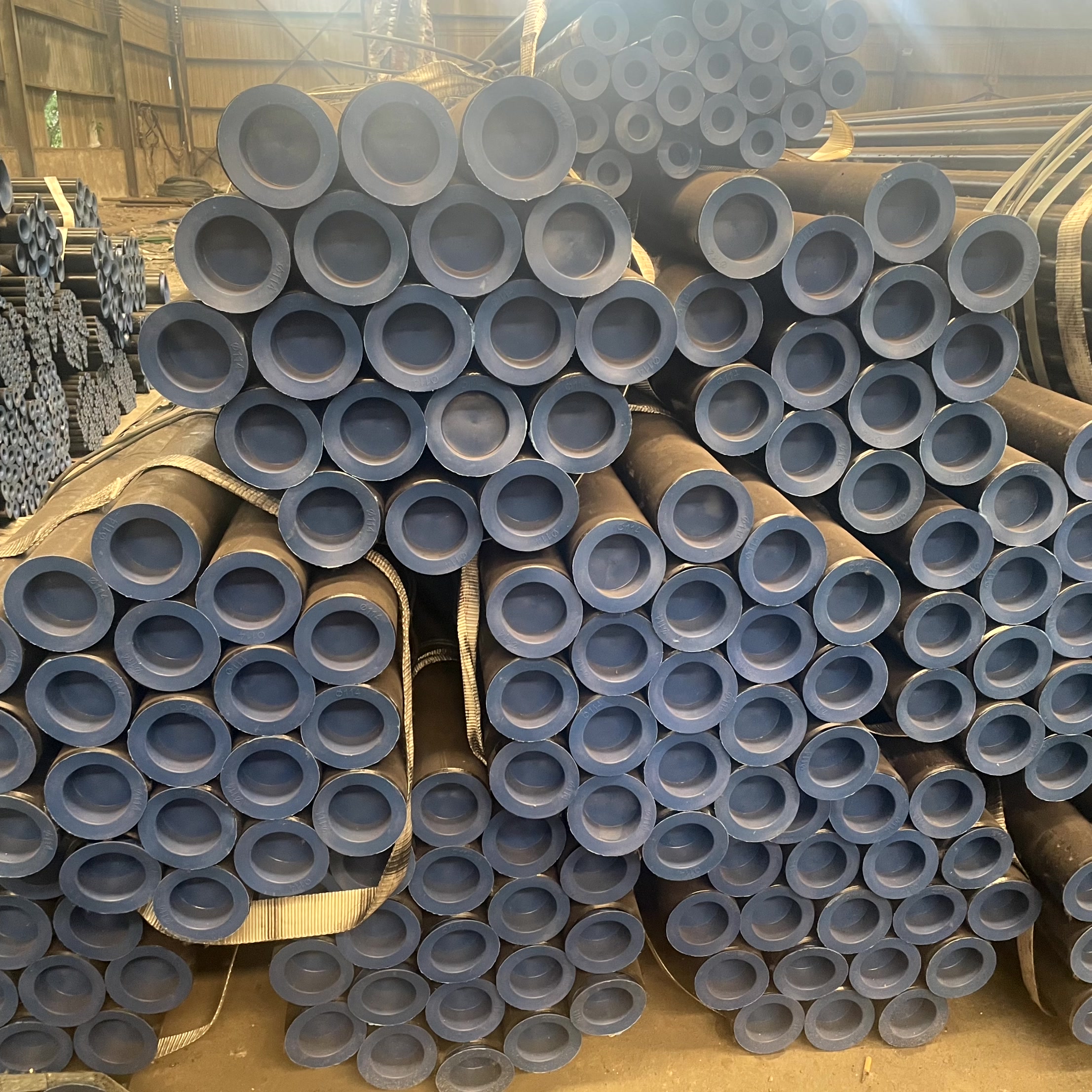
Our 1 1/4 - inch A53 Gr.B seamless pipes are specifically designed to meet the highest standards of quality and performance. These pipes are UL/FM approved for fire protection, which means they have undergone rigorous testing and meet the strict safety requirements set by these well - respected organizations. This approval gives customers peace of mind knowing that the pipes they are using are reliable and safe for fire protection applications.
In addition to their safety certifications, our 1 1/4 - inch A53 Gr.B seamless pipes come with a 25 - year warranty. This long - term warranty reflects our confidence in the durability and quality of our products. It provides customers with assurance that they are making a wise investment, as they can rely on the pipes to perform well for many years to come without the worry of unexpected failures or the need for costly replacements.
In conclusion, when deciding between galvanized and stainless steel 1 1/4 - inch pipes, it is essential to carefully consider the specific requirements of the project. While galvanized pipes may be a cost - effective option in some cases, their limitations in acidic and high - temperature environments make them less suitable for many applications. Stainless steel pipes, on the other hand, offer superior corrosion resistance and long - term durability, making them the preferred choice for projects where reliability and safety are of utmost importance. The case study of the municipal water project in Florida and the features of our 1 1/4 - inch A53 Gr.B seamless pipes further emphasize the benefits of choosing stainless steel for critical piping applications.
[Back to Extreme Conditions, Extreme Solutions: The Cutting-Edge Challenges in Specialized Stainless Steel Piping]