
The deep - sea environment presents some of the most extreme and unforgiving conditions on Earth. When it comes to deep - sea drilling operations, the challenges are immense, and the equipment used must be specially designed and engineered to survive and function effectively. Among the crucial components in these operations, 1 1/2 - inch steel pipes play a vital role, and their ability to withstand the ocean's fury is nothing short of remarkable.
At depths of 3,000 meters below sea level, the pressure is an astonishing 300 bar. To put this into perspective, it's equivalent to the weight of 300 cars stacked on a single square meter. In such an environment, standard pipes would simply implode under the immense force. The pressure is so great that it can crush unprotected materials with ease, making the selection and design of pipes for deep - sea drilling a top priority.
The 1 1/2 - inch ASTM A312 TP316 pipes have proven to be up to the task. One of the key factors contributing to their success is their thicker walls. Schedule 80 pipes, which are commonly used in deep - sea applications, have a wall thickness of 4.05mm. In contrast, Schedule 40 pipes, which are more suitable for less demanding environments, have a wall thickness of only 2.77mm. This extra thickness provides the pipes with the necessary strength to resist the crushing pressure of the deep - sea. It acts as a barrier, distributing the force evenly across the pipe's surface and preventing it from collapsing.
Another crucial aspect of these pipes is the use of corrosion - resistant alloys. The TP316 grade of steel contains 2 - 3% molybdenum. This element plays a significant role in forming a protective oxide layer on the surface of the pipe when it comes into contact with seawater. Seawater is highly corrosive due to the presence of various salts and minerals. Without proper protection, pipes would quickly corrode, leading to leaks, reduced structural integrity, and ultimately, failure of the entire drilling system. The molybdenum - enhanced oxide layer acts as a shield, preventing the seawater from directly attacking the underlying steel. It slows down the corrosion process significantly, ensuring the long - term reliability of the pipes in the harsh deep - sea environment.
A real - world example that showcases the effectiveness of these 1 1/2 - inch pipes is ExxonMobil's Liza Unity FPSO (Floating Production, Storage, and Offloading vessel). This massive floating production vessel is involved in deep - sea oil and gas extraction operations. One of the critical functions of the 1 1/2 - inch pipes on this vessel is for subsea chemical injection lines. These lines are responsible for precisely controlling the flow of chemicals into the subsea wells. Chemicals are injected for various purposes, such as enhancing oil recovery, preventing corrosion, and controlling the formation of scale.
In the deep - sea environment, any leak in these chemical injection lines could have severe consequences. It could lead to the release of harmful chemicals into the ocean, causing environmental damage. Moreover, it could disrupt the drilling process and result in significant financial losses. The 1 1/2 - inch pipes used on the Liza Unity FPSO ensure precise flow control without any leaks. Their robust design and high - quality construction allow them to handle the high - pressure conditions and the flow of chemicals without any issues, contributing to the smooth and efficient operation of the FPSO.
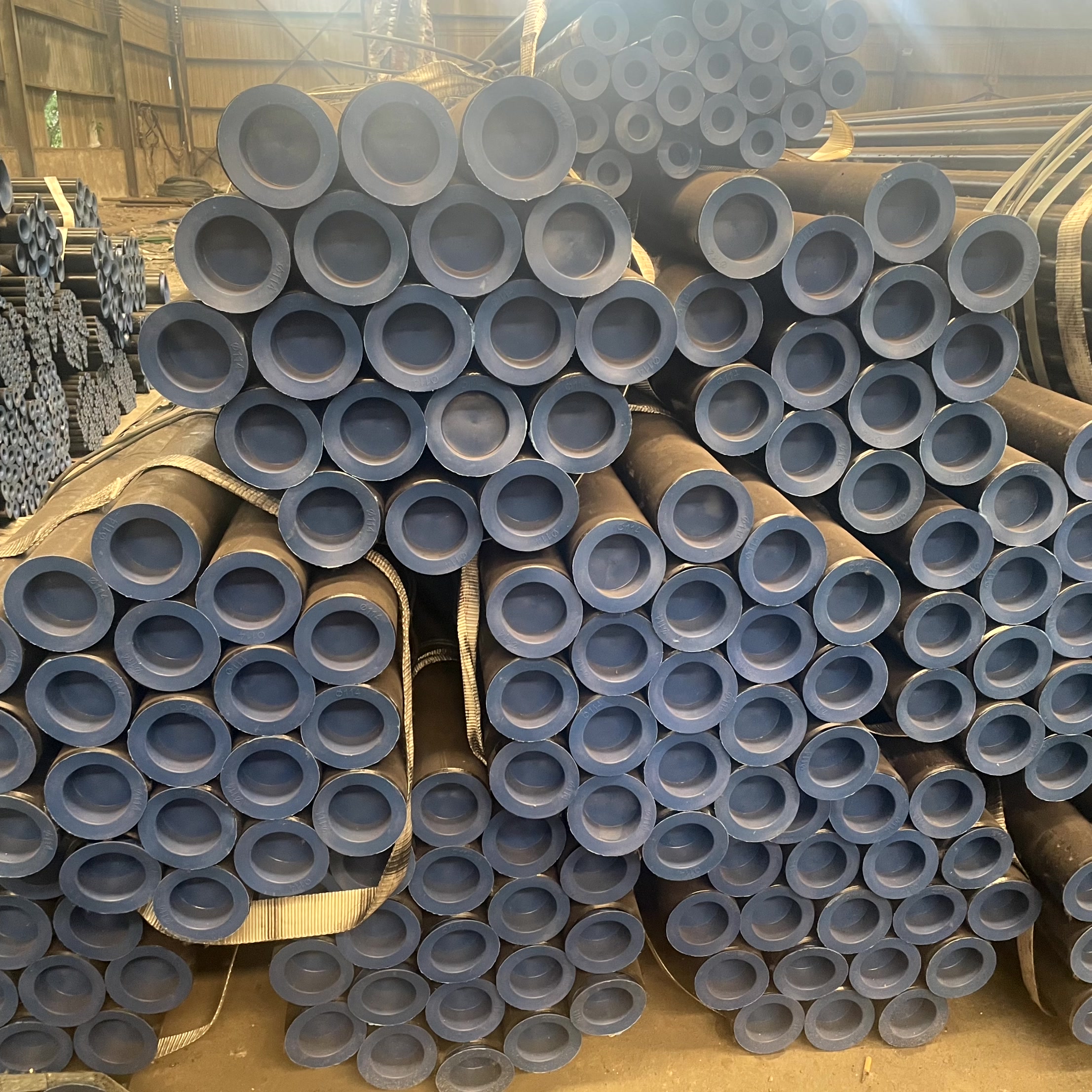
Our company takes pride in offering top - notch 1 1/2 - inch ASTM A312 TP316 seamless pipes. These pipes undergo rigorous testing to ensure their reliability and performance. They are tested to withstand pressures of up to 10,000 PSI, which is well above the pressures they would typically encounter in deep - sea drilling operations. This high - pressure testing gives our customers confidence in the pipes' ability to handle extreme conditions.
In addition to high - pressure testing, our pipes come with NACE MR0175 certification for sour service. Sour service refers to environments where hydrogen sulfide (H2S) is present. H2S is a highly corrosive and toxic gas that can cause severe damage to pipes and other equipment. The NACE MR0175 certification ensures that our pipes are resistant to the effects of H2S and can safely operate in sour service environments. This is particularly important in deep - sea drilling, where sour gas is often encountered during the extraction of oil and gas.
In conclusion, 1 1/2 - inch ASTM A312 TP316 pipes are the unsung heroes of deep - sea drilling operations. Their ability to withstand extreme pressures, resist corrosion, and ensure precise flow control makes them an indispensable component in these challenging environments. As deep - sea drilling continues to push the boundaries of exploration and extraction, the demand for high - quality pipes like these will only increase. Our company is committed to providing pipes that meet the highest standards of quality and reliability, enabling our customers to carry out their deep - sea drilling operations safely and efficiently.