
In the European industrial system, the safety and reliability of pressure pipelines are directly related to the operational efficiency of core sectors such as energy and chemicals. As a key standard developed by the European Committee for Standardization (CEN), EN 10216-1 provides unified specifications for the materials, properties and testing methods of seamless steel pipes. Among them, P235GH steel, with its balanced performance and economy, has become the preferred material for steam systems, pressure vessels and chemical pipelines.
How does EN 10216-1 define the performance threshold for P235GH?
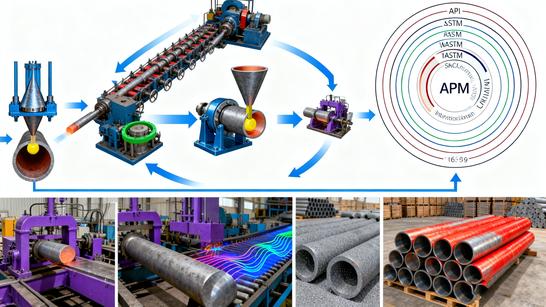
EN 10216-1 standard sets forth strict requirements for the chemical composition, mechanical properties, and manufacturing processes of P235GH seamless steel pipes:
1.Carbon equivalent control: By limiting carbon content and alloy element ratios, excellent weldability is ensured, preventing weld embrittlement;
Yield strength requirements: Yield strength ≥235 MPa at room temperature, ensuring the pipe's resistance to deformation under high pressure;
2.Impact toughness testing: The material is required to pass the Charpy V-notch impact test at 0°C to meet the low-temperature requirements of some European regions.
3.This standard system not only provides design units with a basis for material selection but also ensures the interchangeability and consistency of P235GH steel pipes produced by different manufacturers in the European market.
How can P235GH seamless steel pipe empower high-voltage systems?
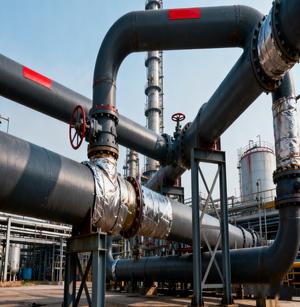
Steam Systems: In steam transportation in power plants or industrial boilers, P235GH effectively reduces the risk of pipeline expansion and deformation due to its high-temperature and high-pressure resistance (applicable temperature ≤350℃).
Pressure Vessels: As a core component of gas storage tanks and reactors, its uniform material structure and stable mechanical properties prevent explosions caused by localized defects.
Chemical Piping: In scenarios involving the transportation of weakly corrosive media (such as ammonia and hydrogen sulfide), P235GH achieves a balance between economy and durability through surface coatings or cathodic protection technology.
Compared to high-alloy steel pipes, P235GH significantly reduces costs while meeting basic performance requirements, making it a cost-effective choice for medium- and low-pressure, high-temperature systems in Europe.
Why choose certified and compliant P235GH seamless steel pipe?
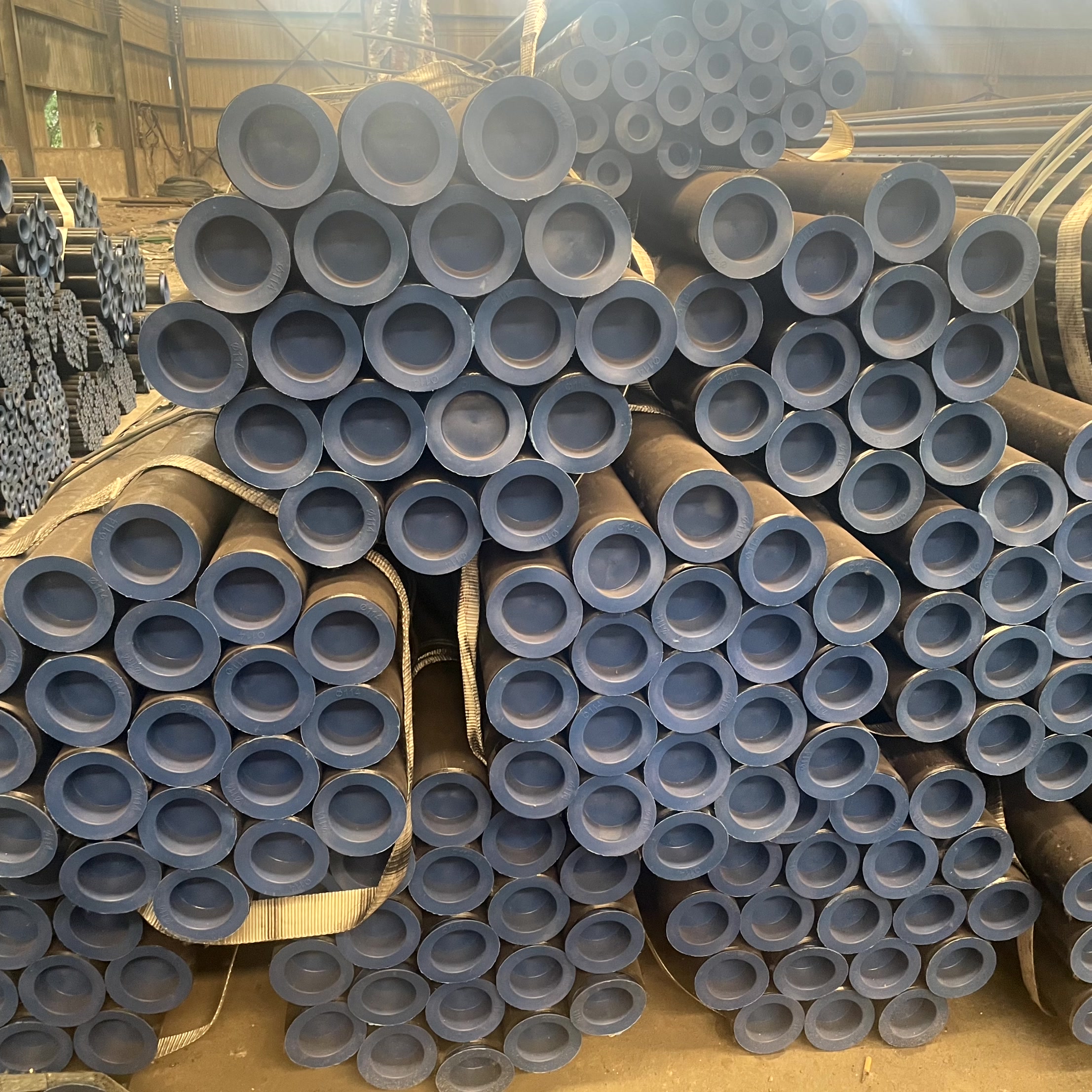
In the European market, pressure piping must comply with the Pressure Equipment Directive (PED 2014/68/EU). The [EN 10216-1 P235GH Seamless Tube] is recommended, offering advantages including:
Full-process compliance: Strict adherence to EN 10216-1 and the PED Directive from smelting and rolling to non-destructive testing;
Quality traceability: Provides material certificates (3.1 or 3.2 certification), ensuring transparency of chemical composition and mechanical property data;
Scenario adaptability: Supports customized wall thickness and length, adapting to diverse needs such as steam boilers and heat exchangers.
From standard text to industrial practice, EN 10216-1 P235GH seamless pipe, with its "standardized performance + flexible adaptability," has become the cornerstone of European high-pressure pipeline systems. Whether it's upgrading traditional energy industries or developing new energy projects, choosing compliant steel pipes is not only a compliance requirement but also an investment in system safety and long-term benefits. [Anchor Point]: [Explore more details on international standards and manufacturing processes]