
Introduction
In the realm of industrial piping systems, ASTM A53 seamless pipes have carved out a significant niche for themselves owing to their stringent adherence to established standards and specifications. These pipes are renowned for their robustness, reliability, and versatility, making them a preferred choice across a multitude of industrial sectors. This article aims to provide a comprehensive overview of ASTM A53 seamless pipes, delving into their properties, standards, specifications, and diverse applications.
1.Standards and Specifications
1.1 ASTM A53 Standard Overview
The ASTM A53 standard is a widely recognized and respected specification that covers both seamless and welded steel pipes. This standard sets forth detailed requirements regarding the pipes' mechanical properties, chemical composition, testing methods, and dimensional tolerances. By adhering to ASTM A53, manufacturers ensure that their pipes meet the highest quality and safety standards, making them suitable for a variety of demanding applications.
1.2 Types of ASTM A53 Pipes
ASTM A53 pipes are available in three distinct types, each catering to specific needs and preferences:
Type F (Furnace-Butt Welded): These pipes are manufactured by joining two pieces of steel through a furnace-butt welding process. While this type is less common in high-pressure applications due to the potential for weld defects, it is still suitable for certain low-pressure scenarios where cost-effectiveness is a priority.
Type E (Electric-Resistance Welded): Type E pipes are produced using electric-resistance welding, a process that involves passing an electric current through the steel to create a weld. This method results in pipes with a smoother surface finish and improved mechanical properties compared to Type F pipes. They are widely used in applications where moderate pressure and temperature conditions are encountered.
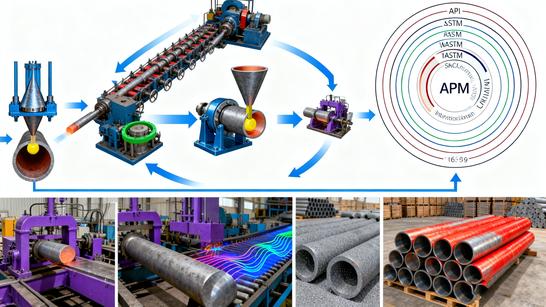
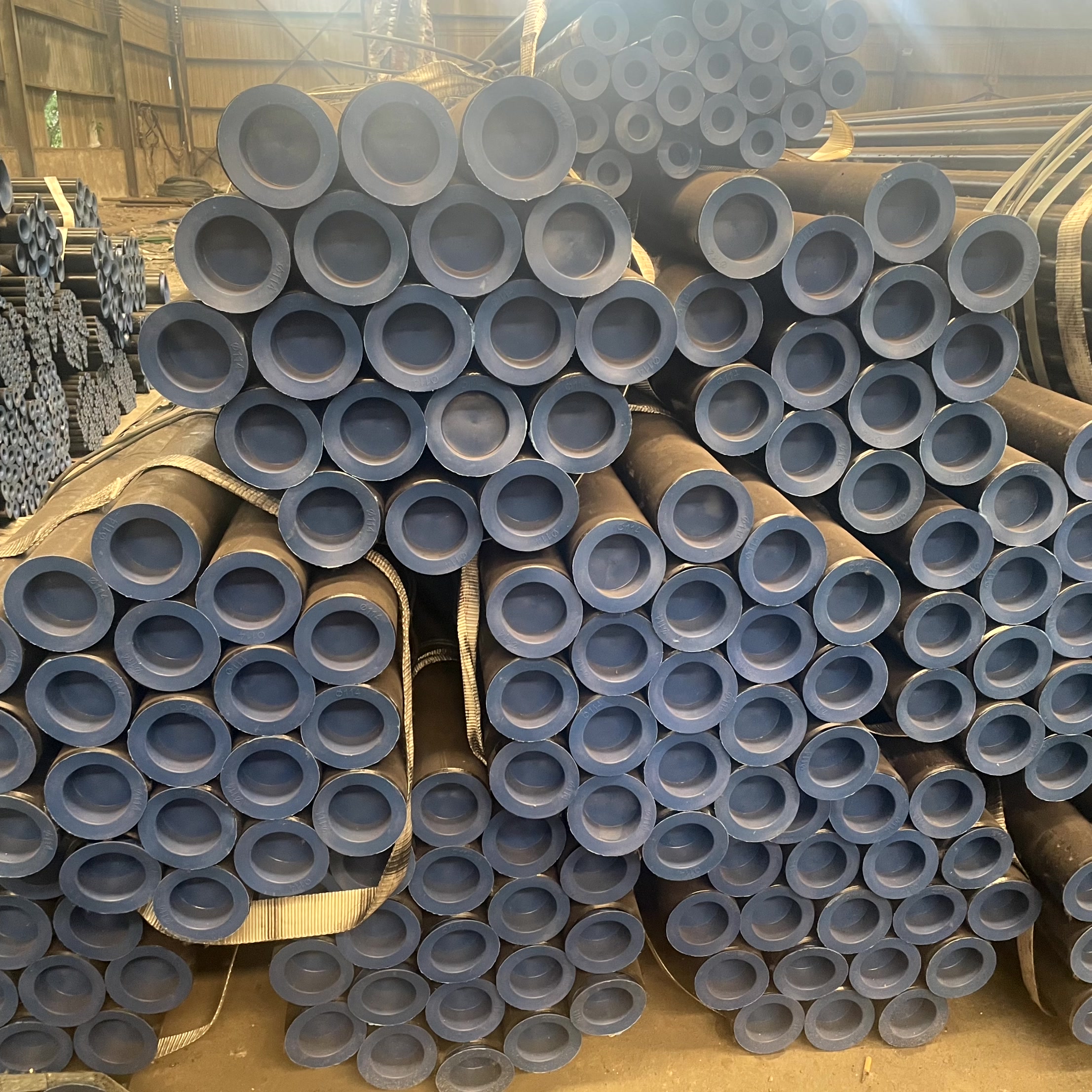
Type S (Seamless): As the name suggests, Type S pipes are seamless, meaning they are manufactured without any welds. This is achieved through processes such as hot rolling or cold drawing, which result in pipes with superior mechanical properties, including higher tensile strength, yield strength, and elongation. Seamless pipes are the preferred choice for high-pressure and high-temperature applications where reliability and safety are paramount.
1.3 Mechanical Properties and Chemical Composition
ASTM A53 standard specifies precise requirements for the mechanical properties and chemical composition of the pipes. The mechanical properties, including tensile strength, yield strength, and elongation, are crucial for ensuring the pipe's ability to withstand internal pressure and external loads without failing. The chemical composition, on the other hand, influences the pipe's corrosion resistance, weldability, and other material properties.
For instance, ASTM A53 Grade B seamless pipes typically have a minimum tensile strength of 60,000 psi (415 MPa) and a minimum yield strength of 35,000 psi (240 MPa). Their elongation percentage is also specified to ensure adequate ductility. In terms of chemical composition, these pipes contain elements such as carbon, manganese, phosphorus, sulfur, copper, nickel, chromium, molybdenum, and vanadium, each contributing to the pipe's overall performance characteristics.
1.4 Testing and Inspection
To ensure compliance with the ASTM A53 standard, the pipes undergo rigorous testing and inspection procedures. These include hydrostatic testing, which verifies the pipe's ability to withstand internal pressure without leaking; non-destructive testing (NDT), such as ultrasonic testing or radiographic testing, which detects internal defects; and dimensional inspection, which ensures the pipe meets the specified size and wall thickness requirements.
2.Uses
2.1 Plumbing Systems
One of the primary applications of ASTM A53 seamless pipes is in plumbing systems. These pipes are used to transport water and other fluids in residential, commercial, and industrial buildings. Their corrosion resistance, durability, and ability to withstand moderate pressure make them ideal for this purpose. Whether it's supplying potable water to kitchens and bathrooms or distributing wastewater to sewage systems, ASTM A53 pipes provide a reliable and efficient solution.
2.2 Heating and Air-Conditioning
In heating and air-conditioning systems, ASTM A53 seamless pipes play a crucial role in distributing hot and cold air throughout buildings. These pipes are often used in conjunction with boilers, chillers, and air handling units to create a comfortable indoor environment. Their ability to withstand temperature fluctuations and pressure changes ensures efficient and reliable operation of the HVAC system.
2.3 General Industrial Applications
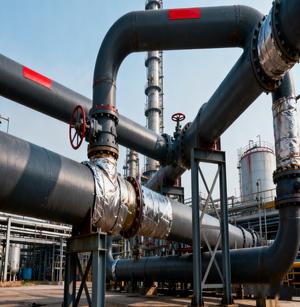
Beyond plumbing and HVAC systems, ASTM A53 seamless pipes find widespread use in various general industrial applications. They are used to convey gases and liquids under moderate pressure in industries such as oil and gas, chemical processing, power generation, and manufacturing. Their versatility, strength, and corrosion resistance make them suitable for a wide range of industrial processes, from transporting raw materials to distributing finished products.
2.4 Specific Industrial Sectors
Oil and Gas Industry: In the oil and gas sector, ASTM A53 seamless pipes are used for drilling, production, and transportation of oil and natural gas. Their high strength and corrosion resistance enable them to withstand the harsh conditions encountered in offshore and onshore drilling operations.
Chemical Processing Industry: Chemical processing plants rely on ASTM A53 pipes to transport various chemicals and reagents. The pipes' resistance to corrosion and chemical attack ensures the integrity of the process and prevents contamination of the products.
Power Generation Industry: In power plants, these pipes are used in boiler systems, steam lines, and condensate return lines. Their ability to withstand high temperatures and pressures makes them essential components of the power generation process.
Conclusion
ASTM A53 seamless pipes represent a versatile and reliable solution for a multitude of industrial needs. Their adherence to strict standards and specifications ensures high quality, safety, and performance in various applications. Whether it's in plumbing systems, heating and air-conditioning, or general industrial processes, these pipes offer a cost-effective and efficient means of transporting fluids and gases under moderate pressure. As industries continue to evolve and demand higher standards of performance and reliability, ASTM A53 seamless pipes are poised to remain a cornerstone of industrial piping systems for years to come.
[Back to Pillar Article: Comprehensive Guide to Seamless Steel Pipes]