
Introduction
The concept of “seamlessness” extends far beyond the mere physical absence of welds in steel pipes. It embodies a profound philosophy of engineering excellence, representing a pursuit of materials that are not only whole and uniform but also free from inherent weaknesses. This article delves deeply into the engineering and aesthetic principles that underpin the notion of seamlessness. By exploring its roots, applications, and broader implications, we will understand how this ideology fosters a culture of reliability and durability within the realm of material engineering.
1.The Engineering Aesthetic of Seamlessness
1.1 Elimination of Potential Failure Points
Seamlessness in material engineering is fundamentally rooted in the elimination of potential failure points. Traditional welded pipes, while structurally sound when executed correctly, inherently introduce variability and potential points of weakness. These welds, no matter how expertly done, can be susceptible to corrosion, fatigue, and other forms of degradation over time. This susceptibility arises from the fact that welds are essentially areas where two separate pieces of material are joined, creating a boundary that can be weaker than the surrounding material.
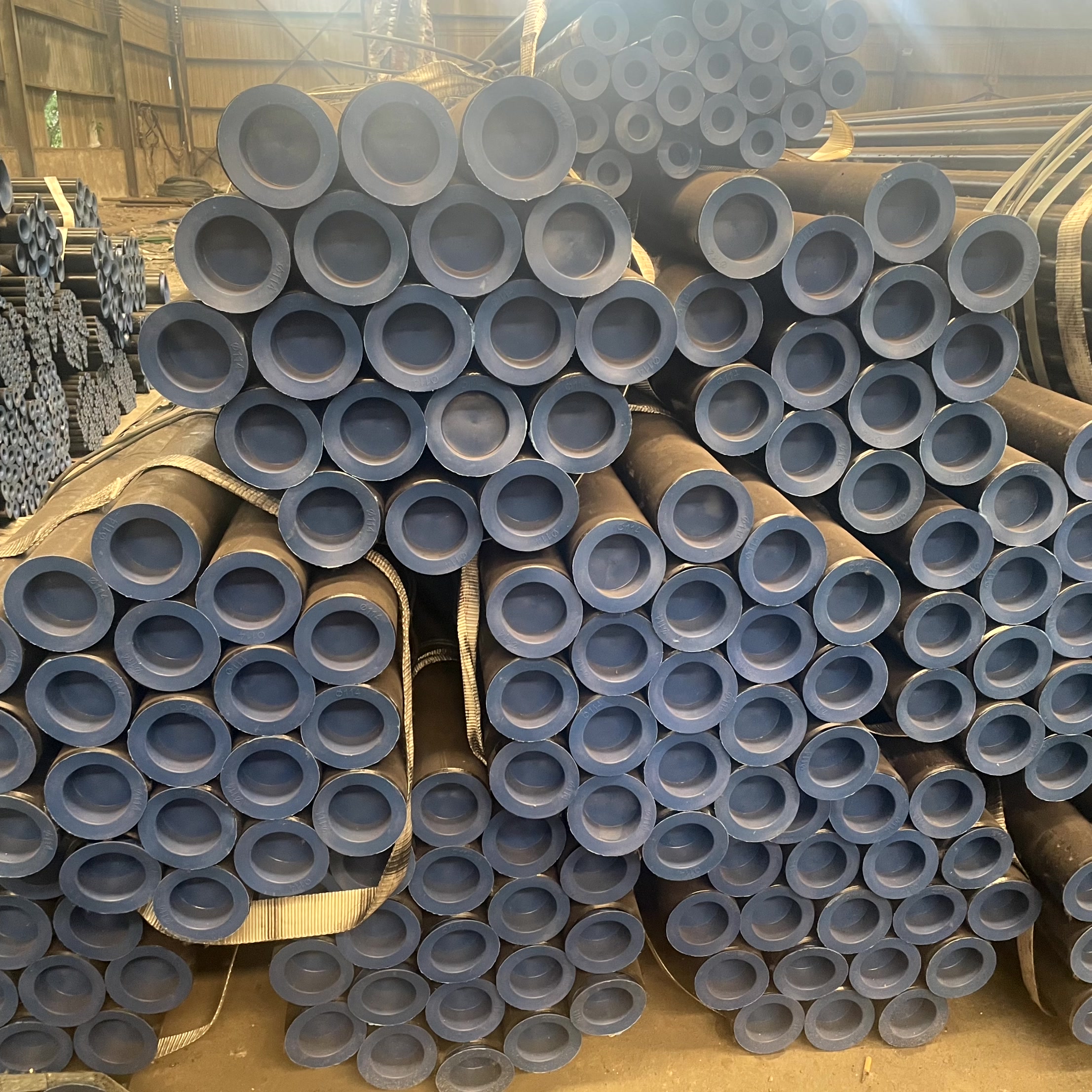
In contrast, seamless pipes are formed in a single, continuous process. This process ensures that the pipe has uniform strength throughout its entire length. The absence of welds means there are no weak points where stress can concentrate, leading to a more robust and reliable product. This uniformity is not merely a physical attribute; it is also an aesthetic principle. It stands as a testament to the beauty of engineering precision, where every detail is meticulously crafted to achieve perfection.
1.2 Uniformity in Strength and Resistance
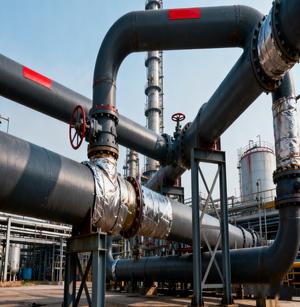
The uniformity achieved through seamless manufacturing processes translates directly into enhanced strength and resistance to various forms of stress. Seamless pipes are capable of withstanding higher pressures and corrosive environments compared to their welded counterparts. This is particularly crucial in industries such as oil and gas, where pipes are subjected to extreme conditions. The ability to maintain structural integrity under such conditions is a direct result of the seamless design philosophy.
Moreover, the uniformity of seamless pipes also contributes to their aesthetic appeal. The smooth, uninterrupted surface of a seamless pipe is visually pleasing, reflecting the precision and care that went into its creation. This aesthetic quality is not just superficial; it is a reflection of the underlying engineering principles that prioritize functionality and durability.
2.Cultivating a Culture of Reliability
2.1 Integral Parts of a Larger System
The pursuit of seamlessness fosters a culture of reliability within organizations. It encourages engineers to view materials not just as isolated components but as integral parts of a larger system. In this mindset, each element must perform flawlessly to ensure the overall success of the system. This holistic approach to engineering design extends beyond pipe manufacturing, influencing design philosophies across a wide range of industries.
For example, in the automotive industry, the use of seamless components can significantly enhance the reliability and safety of vehicles. Seamless transmission shafts, for instance, are less likely to fail under stress, reducing the risk of accidents and improving the overall driving experience. Similarly, in the aerospace industry, the use of seamless materials in critical components such as fuel lines and hydraulic systems can ensure the safe and efficient operation of aircraft.
2.2 Exemplary Products and Applications
Products like API 5CT Oilfield Casing & Tubing and Hydraulic Seamless Cylinder Tubes exemplify the culture of reliability fostered by the pursuit of seamlessness. These products are engineered for integrity in the most demanding environments. API 5CT Oilfield Casing & Tubing, for instance, is used in oil and gas drilling operations where it must withstand high pressures, corrosive fluids, and extreme temperatures. The seamless design ensures that these pipes can perform reliably under such conditions, reducing the risk of leaks and failures that could lead to costly downtime and environmental damage.
Hydraulic Seamless Cylinder Tubes, on the other hand, are used in hydraulic systems where precision and reliability are paramount. These tubes must be able to withstand high pressures and repeated cycles of expansion and contraction without failing. The seamless design ensures that these tubes can maintain their structural integrity over time, reducing the need for frequent replacements and maintenance.
2.3 Broader Implications for Industry Standards
The principles of seamlessness have set a standard for reliability and durability that resonates across industries. As organizations strive to improve the quality and performance of their products, the adoption of seamless manufacturing processes has become increasingly common. This trend is driven by the recognition that seamless materials offer superior performance and reliability compared to traditional welded alternatives.
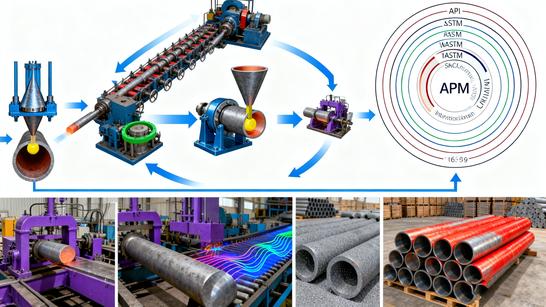
Moreover, the pursuit of seamlessness has also led to advancements in manufacturing technologies and processes. Innovations such as hot extrusion and cold drawing have made it possible to produce seamless pipes with greater precision and efficiency. These advancements have not only improved the quality of seamless pipes but have also reduced their production costs, making them more accessible to a wider range of industries.
Conclusion
Seamlessness is more than just a manufacturing technique; it is a philosophy that shapes the way engineers think about materials and their applications. By eliminating weaknesses and pursuing uniformity, seamless pipe innovation has set a standard for reliability and durability that resonates across industries. As we continue to push the boundaries of engineering, the principles of seamlessness will remain central to our pursuit of excellence.
The adoption of seamless materials and manufacturing processes will continue to drive advancements in various industries, from oil and gas to automotive and aerospace. By embracing the philosophy of seamlessness, organizations can cultivate a culture of reliability that ensures the success and longevity of their products and systems. In this way, the pursuit of seamlessness will continue to shape the future of material engineering and beyond.
[Back to The Invisible Backbone: How Seamless Pipe Innovation Shapes Modern Civilization]