
1. Industry Standards & Manufacturer Reliability
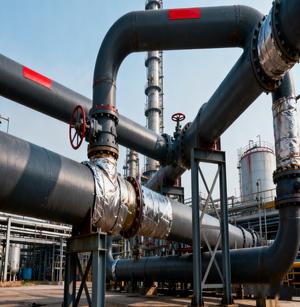
In chemical processing, power generation, and refining, the operating environment for Heat Exchanger Seamless Tubes is nothing short of "hellish." As an experienced Industrial Steel Pipe Manufacturer, we understand that if tubing fails under high heat or strong acids, the downtime costs are staggering. Many clients purchasing Stainless Steel Heat Exchanger Tubes often struggle between initial costs and service life, unsure whether to choose standard stainless or high-performance alloys.
Table 1: Technical Specifications of Common Heat Exchanger Alloys
| Material Grade | Standard | Max Service Temp | Primary Benefit |
| SS 316L | ASTM A213 | 450°C (842°F) | Excellent general corrosion resistance |
| Duplex 2205 | ASTM A789 | 300°C (572°F) | Superior resistance to Chloride SCC |
| Alloy 800H | ASTM B163 | 850°C (1562°F) | High creep-rupture strength |
| Alloy 625 | ASTM B163 | 980°C (1796°F) | Exceptional fatigue & oxidation resistance |
2. Solving the Material Selection Dilemma: Duplex vs. Austenitic
The most common dilemma for clients is: Is 316L enough, or do I need Duplex Stainless Steel 2205 Tubes? The choice depends on your "operational pain points." If your medium contains high chloride concentrations, ordinary austenitic stainless steel is prone to Stress Corrosion Cracking (SCC). In this case, 2205 or 2507 with their "dual properties" are the cost-effective winners. For extreme environments exceeding 600°C, High Temperature Alloy Steel Pipes are the only way to maintain structural integrity.
3. High-Performance Alloys for Extreme Chemical Processing
When conditions involve strong oxidizing acids or extreme sour gas, standard Corrosion Resistant Tubing falls short. This is where Inconel 625 Heat Exchanger Tubes and Hastelloy C276 Seamless Pipes take the stage. They remain rock-solid under high pressure and chemical aggression. All our tubes strictly follow ASME SA213 Standard Tube specifications, ensuring every inch stands the test of time.
Table 2: Material Selection Guide for Corrosive Media
| Media Type | Recommended Alloy | Key Characteristic |
| High Chlorides | Super Duplex 2507 | PREN value > 40, resists pitting |
| Sulfuric Acid | Hastelloy C276 | Versatile resistance to reducing acids |
| High-Temp Steam | Incoloy 800HT | Resistant to carburization and nitriding |
| Seawater | Monel 400 | Excellent resistance in flowing brackish water |
4. The "Silent Killer": Intergranular Corrosion
Many clients find their Stainless Steel Heat Exchanger Tubes suddenly cracking after six months of use; this is often due to intergranular corrosion in the heat-affected zone. As a professional Industrial Steel Pipe Manufacturer, we utilize ultra-low carbon processes (L-grades) and strict solution annealing to ensure no carbide precipitation, eradicating hidden corrosion risks and extending equipment life.
5. Surface Integrity & Heat Transfer Efficiency
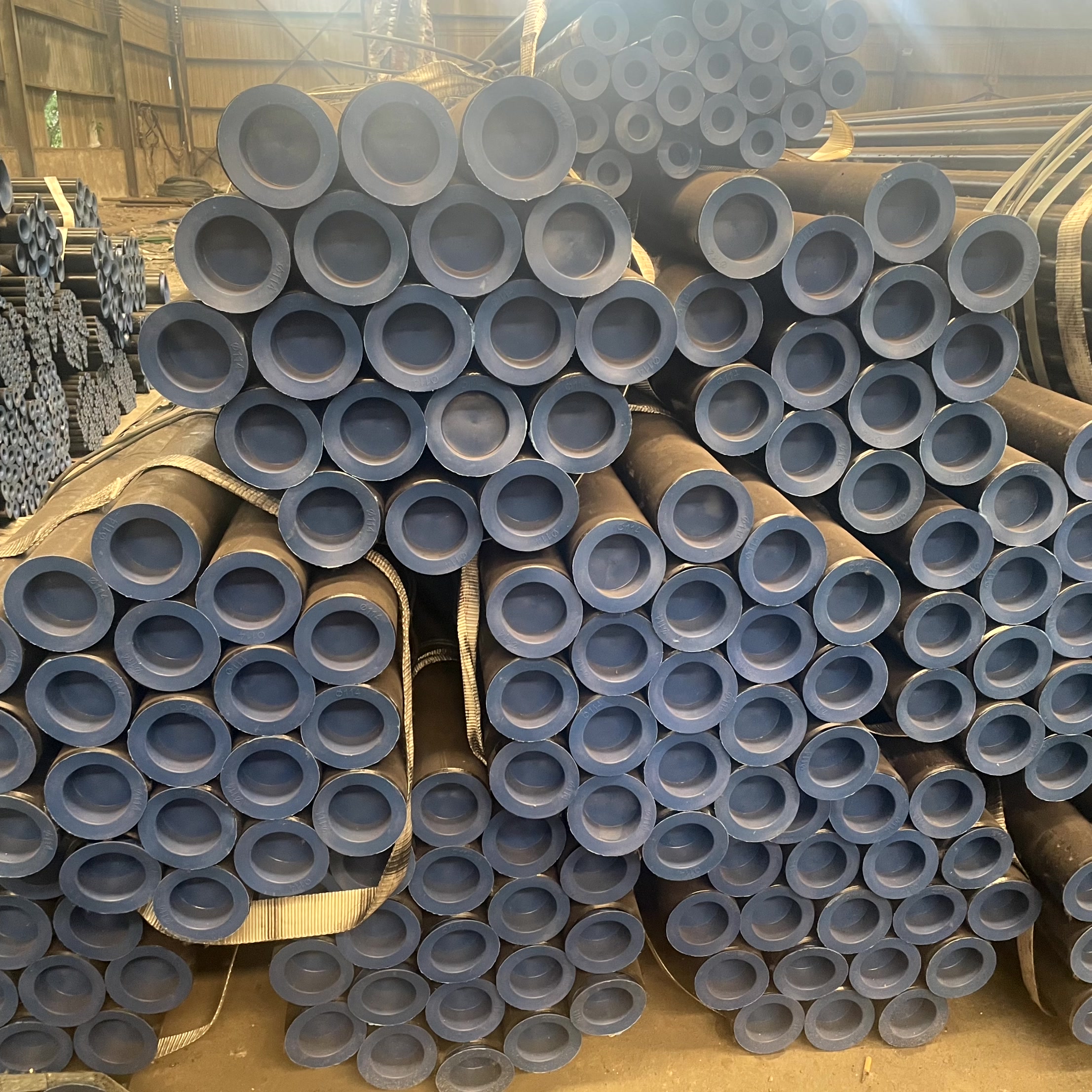
Material is more than just chemistry; it's about surface performance. Our Heat Exchanger Seamless Tubes undergo high-precision cold drawing and bright annealing. This superior surface cleanliness prevents scaling and reduces fluid resistance. In long-term operations, this translates to lower energy consumption and significantly reduced maintenance downtime.
6. Global Certification & Total Traceability
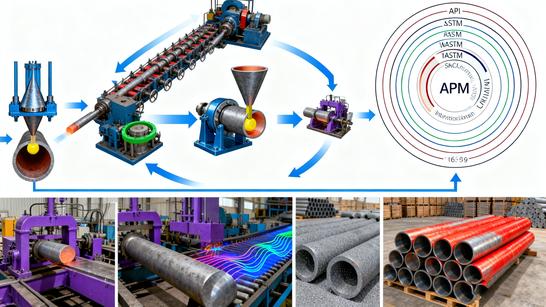
The biggest concern when purchasing ASME SA213 Standard Tubes is material discrepancy. We refuse recycled scrap. All raw materials are sourced from top-tier mills like Baosteel or Tsingshan, ensuring pure chemical composition. We provide an original Mill Test Certificate (MTC) for every batch, including detailed chemical analysis, tensile tests, and hardness data. From the melt heat number to final packaging, every step is traceable, ensuring peace of mind for your global engineering procurement.
Choosing the right alloy is just the beginning; understanding how these materials perform under extreme pressure and temperature is vital for system safety. [Click here to explore how our tubes handle complex industrial working conditions.]