
Introduction
In the realm of industrial operations, high-pressure applications are ubiquitous. From oil and gas extraction to chemical processing plants, and from power generation facilities to aerospace engineering, numerous systems rely on pipes that can endure extreme pressure conditions without succumbing to failure. The choice of pipe in these scenarios is not a trivial matter; it is a critical decision that directly impacts safety, operational efficiency, and the overall longevity of the system. Among the various types of pipes available, seamless pipes stand out as a preferred option for high-pressure applications due to their unique characteristics. This article delves into the significance of selecting the appropriate metal seamless pipe for high-pressure environments, exploring key factors such as material strength, wall thickness, corrosion resistance, and compatibility with fittings.
1.Material Strength: The Backbone of High-Pressure Performance
The material strength of a pipe is perhaps the most fundamental attribute when it comes to withstanding high pressure. It refers to the pipe's ability to resist deformation or breakage under the immense forces exerted by the pressurized fluid or gas flowing through it. In high-pressure applications, the consequences of a pipe failure can be catastrophic, ranging from leaks that cause environmental damage to explosions that endanger human lives and disrupt entire industrial processes.
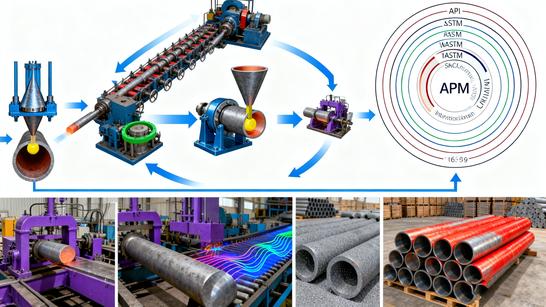
Seamless pipes, by their very nature, offer superior material strength compared to welded pipes. The manufacturing process of seamless pipes involves heating a solid billet and then piercing it to form a hollow tube, which is subsequently elongated and shaped into the desired pipe dimensions. This continuous, seamless structure eliminates the weak points associated with welded seams, which are potential areas for crack initiation and propagation under high pressure.
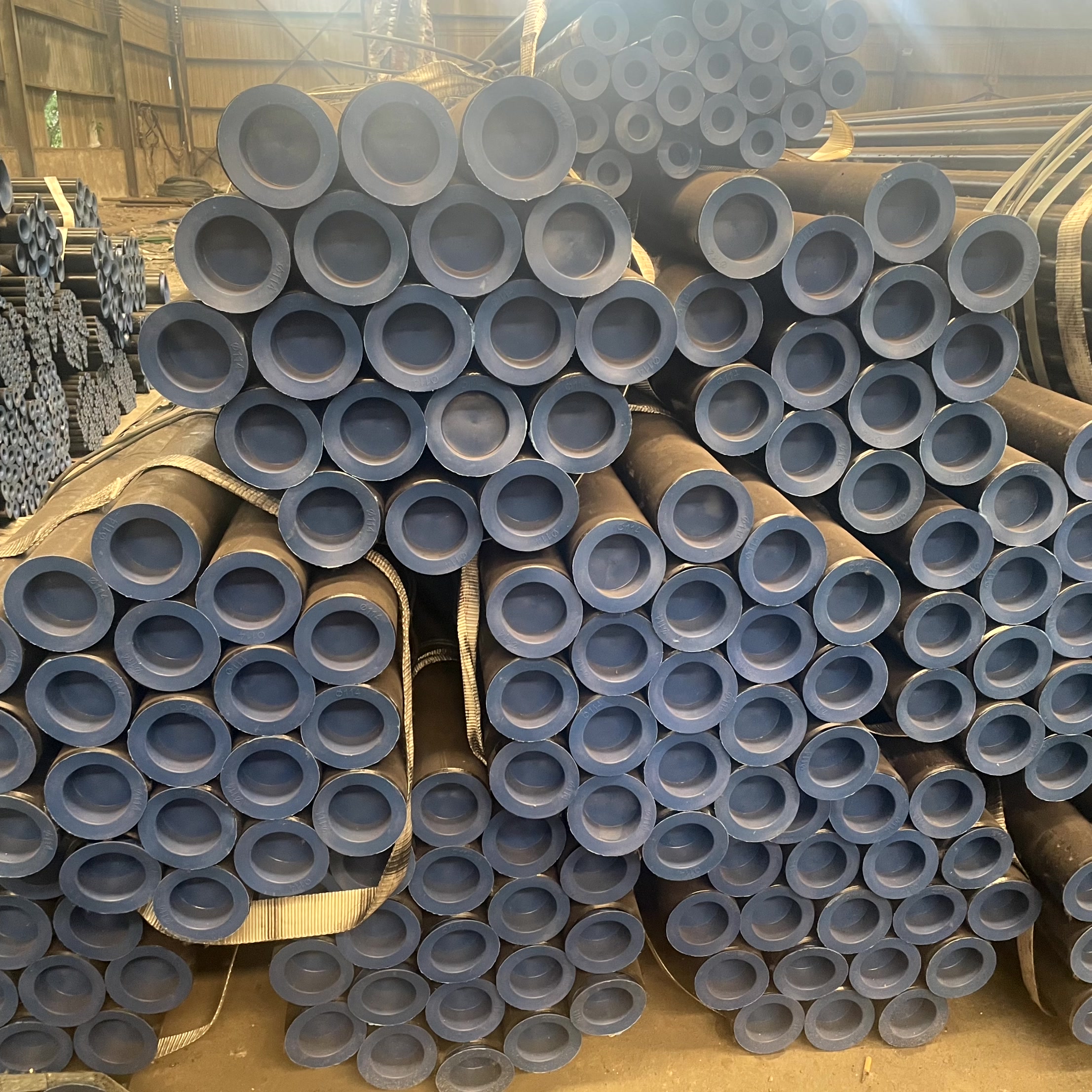
Stainless steel is a particularly popular choice for high-pressure seamless pipes due to its exceptional strength properties. Stainless steel contains chromium, which forms a thin, invisible oxide layer on the surface of the metal. This oxide layer, known as the passive film, provides excellent corrosion resistance while also enhancing the overall strength of the material. Our Hot-Finished Seamless Pipe for High-Pressure Applications is a prime example of a stainless-steel seamless pipe designed to handle extreme pressures and temperatures. The hot-finishing process further refines the microstructure of the steel, improving its mechanical properties and ensuring reliable performance even in the most demanding conditions.
In addition to stainless steel, other high-strength alloys such as carbon steel and alloy steel are also used in the manufacture of seamless pipes for high-pressure applications. Carbon steel offers good strength and affordability, making it a suitable choice for many industrial settings. Alloy steel, on the other hand, is formulated by adding various alloying elements such as chromium, molybdenum, and nickel to carbon steel, which enhances its strength, corrosion resistance, and heat resistance properties. The selection of the appropriate material depends on factors such as the specific pressure and temperature requirements of the application, the nature of the fluid or gas being transported, and cost considerations.
2.Wall Thickness: A Key Determinant of Pressure-Handling Capacity
The wall thickness of a pipe is another crucial factor that influences its ability to withstand high pressure. Thicker walls provide greater strength and resistance to deformation under pressure, as they can distribute the internal forces more effectively across a larger cross-sectional area. When selecting a seamless pipe for high-pressure applications, it is essential to ensure that it has an adequate wall thickness to meet the specific needs of the system.
The required wall thickness of a pipe is determined by several factors, including the internal pressure of the fluid or gas, the diameter of the pipe, and the material properties of the pipe. Engineering standards and codes, such as the American Society of Mechanical Engineers (ASME) Boiler and Pressure Vessel Code, provide guidelines for calculating the minimum wall thickness required for pipes under different operating conditions. These standards take into account safety factors to ensure that the pipe can withstand not only the normal operating pressure but also potential pressure surges and transient conditions.
In high-pressure applications, it is often necessary to use pipes with relatively thick walls to ensure sufficient strength and safety. However, increasing the wall thickness also has implications for other aspects of the system, such as weight, cost, and flow characteristics. Thicker pipes are heavier, which can increase the load on supporting structures and make installation more challenging. They also require more material to manufacture, which can drive up costs. Additionally, thicker walls can reduce the internal diameter of the pipe, which may affect the flow rate and pressure drop of the fluid or gas. Therefore, a careful balance must be struck between the need for sufficient wall thickness to withstand high pressure and the other practical considerations of the system.
Our range of seamless pipes is available in a variety of wall thicknesses to suit different high-pressure applications. Whether you require a thin-walled pipe for a relatively low-pressure system or a thick-walled pipe for extreme pressure conditions, we can provide a solution that meets your specific needs. Our engineers can also assist you in selecting the appropriate wall thickness based on the operating parameters of your system and the relevant engineering standards.
3.Corrosion Resistance: Protecting Pipes in Harsh Environments
High-pressure applications often involve the transport of corrosive substances, such as acids, alkalis, salts, and various chemicals. These substances can react with the metal of the pipe over time, causing corrosion and degradation of the pipe material. Corrosion can weaken the pipe, reduce its pressure-handling capacity, and ultimately lead to leaks or failures. Therefore, choosing a corrosion-resistant material for seamless pipes is essential to extend the life of the pipes and reduce maintenance costs.
Stainless steel is renowned for its excellent corrosion resistance properties, making it an ideal choice for high-pressure applications involving corrosive substances. The chromium in stainless steel forms a passive oxide layer on the surface of the metal, which acts as a protective barrier against corrosion. This oxide layer is self-healing, meaning that if it is damaged, it will quickly reform in the presence of oxygen, providing continuous protection to the underlying metal.
Our EN 10216-5 1.4404 Stainless Steel Seamless Tube for Corrosion-Resistant Applications is a high-quality stainless-steel seamless tube that offers enhanced protection against corrosion. The 1.4404 grade of stainless steel, also known as 316L stainless steel, contains molybdenum in addition to chromium, which further improves its corrosion resistance, especially in chloride-containing environments. This makes it suitable for a wide range of high-pressure applications in industries such as chemical processing, oil and gas, and marine engineering.
In addition to stainless steel, other corrosion-resistant materials such as nickel alloys and titanium alloys are also used in the manufacture of seamless pipes for specific high-pressure applications. Nickel alloys offer excellent resistance to corrosion in a variety of aggressive environments, including high-temperature and high-pressure conditions. Titanium alloys are known for their high strength-to-weight ratio and exceptional corrosion resistance, making them suitable for applications where weight is a critical factor, such as aerospace and marine engineering.
4.Compatibility with Fittings and Connectors: Ensuring a Secure and Leak-Free System
The pipe you choose for a high-pressure application must be compatible with the fittings and connectors used in your system. Fittings and connectors are used to join pipes together, change the direction of flow, or connect pipes to other components such as valves, pumps, and tanks. A mismatch between the pipe and the fittings can lead to leaks, which can cause a loss of fluid or gas, reduce system efficiency, and pose safety hazards.
When selecting a seamless pipe, it is important to ensure that its dimensions, such as the outer diameter and wall thickness, match those of the fittings and connectors. The thread types of the pipe and fittings must also be compatible to ensure a secure connection. Our pipes are designed to be compatible with a wide range of fittings and connectors, making installation straightforward and reducing the risk of leaks.
In addition to dimensional compatibility, it is also important to consider the material compatibility between the pipe and the fittings. The materials used for the pipe and fittings should have similar mechanical properties and corrosion resistance characteristics to ensure that they perform uniformly under high-pressure conditions. For example, if a stainless-steel seamless pipe is used, it is advisable to use stainless-steel fittings to avoid galvanic corrosion, which can occur when two dissimilar metals are in contact in the presence of an electrolyte.
Conclusion
Selecting the right metal seamless pipe for high-pressure applications is a complex and critical decision that requires careful consideration of several factors. Material strength is the foundation of a pipe's ability to withstand high pressure, and stainless steel seamless pipes offer superior strength and durability. Wall thickness plays a key role in determining the pressure-handling capacity of the pipe, and it must be selected based on the specific operating conditions of the system. Corrosion resistance is essential to protect the pipes in harsh environments, and stainless steel and other corrosion-resistant materials are ideal choices. Compatibility with fittings and connectors ensures a secure and leak-free system, and it is important to consider both dimensional and material compatibility.
By taking these factors into account and exploring our range of high-quality seamless pipes, including the Hot-Finished Seamless Pipe for High-Pressure Applications and the EN 10216-5 1.4404 Stainless Steel Seamless Tube for Corrosion-Resistant Applications, you can find the perfect fit for your high-pressure needs. Our pipes are manufactured to the highest standards of quality and reliability, ensuring that they can withstand the most demanding conditions and provide long-lasting performance.
[Back to Comprehensive Guide to Stainless Steel and Metal Pipes: Dimensions, Types, and Selection Criteria]