
Introduction
The oil and gas industry is the backbone of global energy supply, facilitating the movement of vital resources across continents and oceans. Central to this intricate network of transportation are high-pressure seamless pipes, which serve as the arteries of the industry, ensuring the safe and efficient transmission of oil and gas. This article delves into the critical role of these pipes, exploring their unique properties, diverse applications, the challenges they overcome, and the future trends shaping their use in oil and gas pipeline transportation.
1.Properties of High-Pressure Seamless Pipes
1.1 Seamless Construction for Enhanced Safety
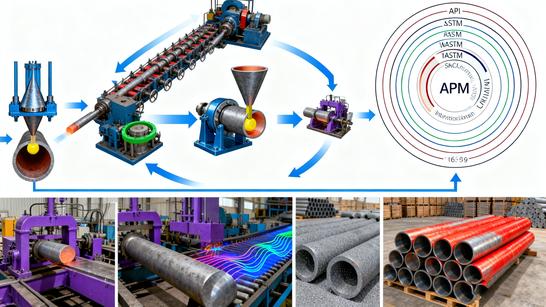
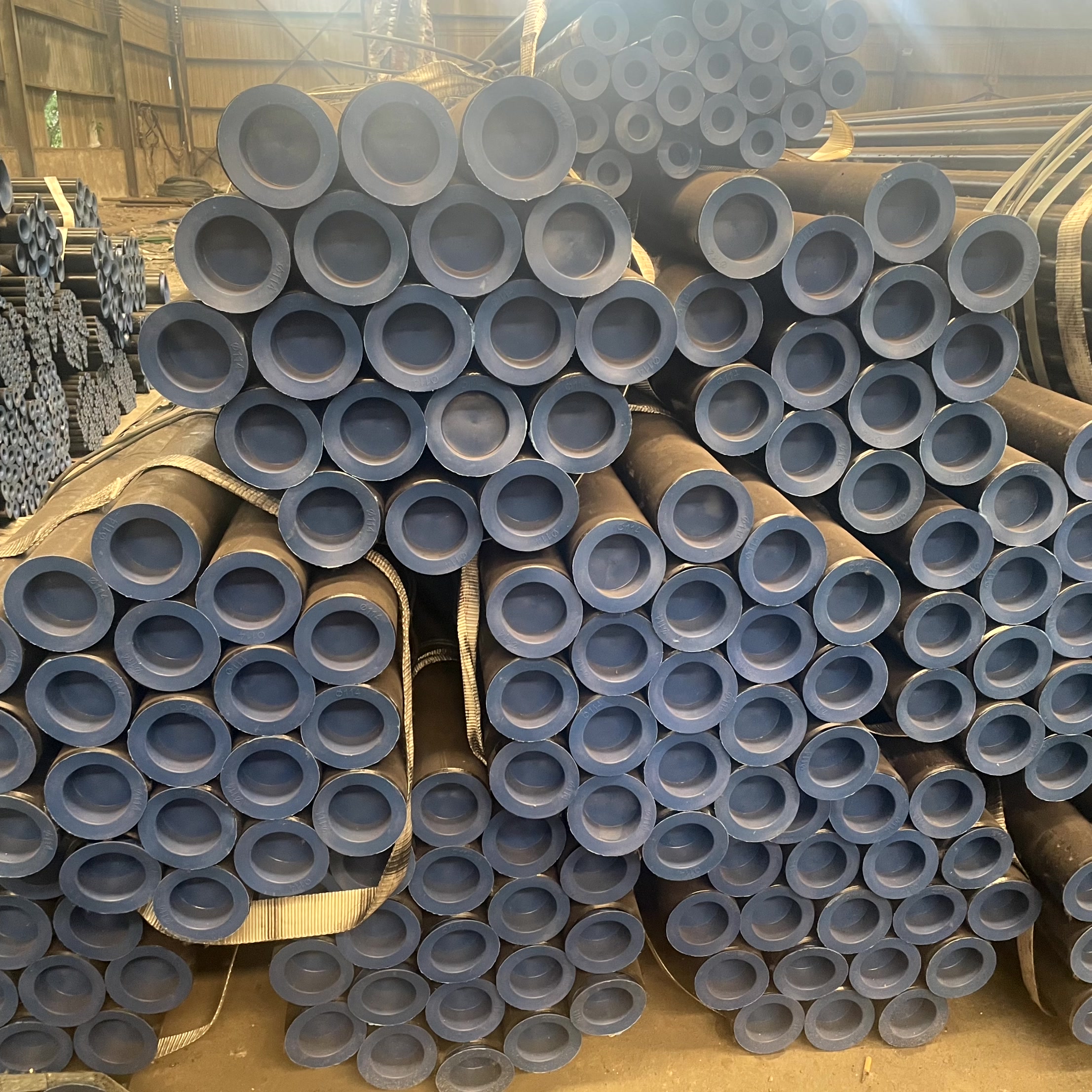
High-pressure seamless pipes, exemplified by standards like API 5L X42/X52, are engineered to withstand extreme operational conditions. Unlike welded pipes, which are created by joining sections of metal through welding, seamless pipes are formed from a single piece of metal, eliminating any weak points or seams that could potentially lead to leaks or failures. This seamless construction is crucial in high-pressure environments where even the smallest flaw could have catastrophic consequences, ensuring the integrity and safety of the pipeline system.
1.2 High Tensile Strength and Toughness
Another defining characteristic of high-pressure seamless pipes is their exceptional tensile strength and toughness. These pipes are designed to endure the immense pressures exerted by the flowing oil and gas, as well as the external forces encountered during installation and operation, such as soil pressure, temperature variations, and seismic activity. Their high tensile strength ensures that they can withstand these forces without deforming or breaking, while their toughness allows them to absorb energy and resist fracture, further enhancing their reliability and longevity.
1.3 Resistance to Corrosion and Wear
The oil and gas industry often operates in harsh environmental conditions, including exposure to corrosive substances, high temperatures, and abrasive particles. High-pressure seamless pipes are crafted from materials that offer superior resistance to corrosion and wear, such as carbon steel alloys with specific chemical compositions tailored to withstand these challenges. This resistance ensures that the pipes maintain their structural integrity and performance over extended periods, reducing the need for frequent replacements and maintenance, and thereby lowering operational costs.
2.Applications in Oil & Gas Transmission
2.1 Transporting Crude Oil and Natural Gas
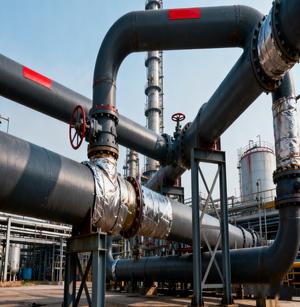
The primary application of high-pressure seamless pipes in the oil and gas industry is the transportation of crude oil and natural gas from production sites to refineries and distribution centers. These pipes form the backbone of long-distance pipeline networks, enabling the efficient and cost-effective movement of large volumes of resources. Their high-pressure capabilities allow for the optimization of flow rates, reducing the need for intermediate storage and handling, and minimizing the risk of spillage or contamination.
2.2 Offshore Pipeline Systems
High-pressure seamless pipes also play a vital role in offshore pipeline systems, where they are subjected to even more extreme conditions, including deep-sea pressures, saltwater corrosion, and marine growth. The seamless construction and corrosion-resistant properties of these pipes make them ideal for offshore applications, ensuring the safe and reliable transmission of oil and gas from offshore platforms to onshore facilities.
2.3 Gas Gathering and Distribution
In addition to long-distance transmission, high-pressure seamless pipes are used in gas gathering and distribution networks, where they collect natural gas from multiple wells and transport it to processing plants or storage facilities. These pipes must be capable of handling varying flow rates and pressures, as well as resisting the corrosive effects of the gas and any associated condensates. The durability and reliability of seamless pipes make them well-suited for these demanding applications.
3.Challenges and Solutions in Oil & Gas Pipeline Transportation
3.1 Corrosion Management
Corrosion is one of the most significant challenges facing oil and gas pipeline transportation, as it can lead to leaks, failures, and environmental damage. High-pressure seamless pipes offer a solution to this challenge through their inherent corrosion resistance. However, even the most corrosion-resistant materials can still be affected over time, especially in harsh environments. To mitigate this risk, pipeline operators employ a range of corrosion management strategies, including the use of corrosion inhibitors, cathodic protection systems, and regular inspections and maintenance.
3.2 Leak Detection and Prevention
Leaks in oil and gas pipelines can have severe consequences, including environmental pollution, safety hazards, and economic losses. High-pressure seamless pipes, with their seamless construction and robust design, are less prone to leaks than welded pipes. Nevertheless, leaks can still occur due to external damage, corrosion, or other factors. To detect and prevent leaks, pipeline operators utilize advanced monitoring technologies, such as pressure sensors, flow meters, and acoustic emission detection systems, which can identify potential leaks in real-time and trigger immediate response measures.
3.3 Environmental Concerns and Sustainability
The oil and gas industry is under increasing pressure to reduce its environmental impact and adopt more sustainable practices. High-pressure seamless pipes can contribute to this goal by enabling more efficient and environmentally friendly pipeline transportation solutions. For example, by optimizing flow rates and reducing the need for intermediate storage and handling, seamless pipes can help lower energy consumption and greenhouse gas emissions. Additionally, the development of new, more sustainable materials and manufacturing processes for seamless pipes could further enhance their environmental performance.
4.Future Trends in Oil & Gas Pipeline Transportation
4.1 Advancements in Materials Science
The future of high-pressure seamless pipes in oil and gas pipeline transportation is likely to be shaped by advancements in materials science. Researchers are continuously exploring new alloys and composite materials that offer improved corrosion resistance, durability, and performance under extreme conditions. These advancements could expand the range of applications for seamless pipes and enable them to operate in even more challenging environments.
4.2 Smart Pipeline Technologies
The integration of smart technologies into oil and gas pipeline systems is another emerging trend that could revolutionize the industry. Smart pipelines, equipped with sensors, monitoring devices, and automated control systems, can provide real-time data on pipeline conditions, flow rates, and pressure levels, enabling operators to optimize performance, detect potential issues early, and respond quickly to emergencies. High-pressure seamless pipes, with their seamless construction and robust design, are well-suited for integration into smart pipeline systems.
4.3 Stricter Environmental Regulations
As environmental concerns continue to grow, governments and regulatory bodies are imposing stricter regulations on the oil and gas industry. These regulations could drive the adoption of more sustainable and eco-friendly pipeline transportation solutions, including the use of high-pressure seamless pipes made from recycled materials or with lower carbon footprints. Additionally, regulations could encourage the development of new technologies and practices that reduce the environmental impact of pipeline operations.
Conclusion
High-pressure seamless pipes are indispensable components of the oil and gas pipeline transportation industry, ensuring the safe and efficient transmission of resources across vast distances. Their unique properties, diverse applications, and ability to overcome challenges make them critical to the industry's success. As the industry evolves and faces new challenges and opportunities, high-pressure seamless pipes will continue to play a central role, driven by advancements in materials science, smart technologies, and environmental regulations.
[Back to The Comprehensive Guide to Specialized Seamless Pipes: Applications, Standards, and Innovations]